
Should You Downsize for Retirement in Ontario?
Short answer: The main benefits of downsizing in retirement are lower costs, less upkeep and more freedom. Many people also free up home equity to help with retirement.
It can work well to move before the house starts to feel like too much. The right timing is different for everyone. See the numbers in The Financial Benefits of Downsizing in Ontario, or talk it through with me.

If you are weighing a smaller home as retirement gets closer, you are in good company. It is a big question, so there is no rush to answer it.
Downsizing can bring hard choices as well as benefits.
This post covers the pros and cons. It also covers the money and legal questions to ask a professional, and the feelings that come with a move.
Benefits of Downsizing in Retirement: Pros and Cons
Pros of Downsizing
Financial Benefits
One of the biggest advantages of downsizing is the home equity you may free up. Selling a larger home and buying a smaller one can leave money available.
Some people use it to pay down debt, add to retirement savings or boost their income.
A smaller home can also mean lower property taxes and lower upkeep costs. That depends on the home, so compare real numbers before you decide.
Emotional Relief
Some people find a smaller home means less to look after. Fewer rooms to clean and repair can leave more time for what you enjoy.
Downsizing can also be a chance to simplify. That might mean more time with family, hobbies or the outdoors, if that is what matters to you.
Location Flexibility
Some people use a move to live closer to family, healthcare or everyday services.
That might mean a town centre or a quieter rural spot. Either way, you get to choose what suits your life.
Cons of Downsizing
Emotional Attachment
Leaving a family home can bring up a lot of feelings. It often holds years of memories, so it is normal for this to take time.
Market Challenges
If you plan to sell and buy around the same time, the timing can feel stressful. Ask for recent sales close to your home so you know what to expect.
Prices and the number of homes for sale change over time. It helps to know current conditions in your area before you move.
Understanding the Housing Market for Retirees

In the Ottawa area, housing options vary between town, city and rural settings. It helps to compare them before you choose.
Urban Areas
Ottawa has a wide range of options for downsizers, from condos to bungalows. Prices can vary a lot from one neighbourhood to the next.
Rural Areas
If a quieter lifestyle appeals to you, rural areas can offer more space. Also check how far you would be from healthcare, public transit and everyday services.
Market conditions matter too. Interest rates can also affect how easy it is to sell or buy.
Financial Planning for Downsizing
Before you decide, it helps to talk with an accountant or financial advisor about your own numbers.
Home Equity in Retirement
How you use the money from a sale, whether for debt, savings or a new home, is a question for your accountant or financial advisor.
Debt Considerations
If you have debt, ask your lender or financial advisor how a sale and a new purchase would affect it. Some people use equity to buy a smaller home and keep more in savings. Your advisor can then help you weigh the choices.
Government Assistance
There may be tax credits or programs for seniors that apply to you. Your accountant can tell you which ones. You can also look at the Ontario seniors page.
If you would like a step-by-step plan for the home side, The Downsizing Road Map walks you through it at your own pace.
Finding the Right Home
When downsizing, it helps to look for a home that fits your needs now and later. Here are two things to think about:
- Size and Accessibility: Think about the long term. Some people look for a home with no stairs, wide doorways or other accessible features.
- Location: Think about how close you want to be to family, medical care and the activities you enjoy. Some people move closer to their adult children. Others prefer a quiet neighbourhood.
Legal and Tax Considerations in Downsizing
There are legal and tax questions to ask before you sell.
Capital Gains Tax
In Canada, selling your principal residence is often exempt from capital gains tax. However, the rules can be different for an investment property or a second home.
The Canada Revenue Agency explains the principal residence rules. Ask an accountant to confirm how they apply to you.
Legal Advice
Ask a real estate lawyer who needs to sign, what your closing costs will be and whether joint ownership changes anything. Closing costs can include Ontario land transfer tax. Finally, if you plan to use retirement savings toward a new home, ask your financial advisor first.
The Emotional Side of Downsizing in Retirement
Downsizing is not only a money decision. It can bring up feelings too, and that is okay. So give yourself time to think it over.
Some people find it helps to involve family. They can also help sort belongings, talk through decisions and offer support.
Others prefer to do this on their own. Either way is fine.
Frequently Asked Questions About Downsizing and Retiring
1. Is there one right time to downsize?
There is no single right answer. Some people downsize while they are still working to lower their costs early.
Others wait until their retirement plans are clearer. It often depends on your lifestyle, your finances and how much flexibility you want.
2. Should I sell my current home before buying a smaller one?
This depends on your finances and your comfort level. Selling first can mean you are not carrying two homes at once.
Buying first, on the other hand, can give you more time to find the right place. Ask your lawyer and lender about the details, then choose what fits you.
3. How much should I budget for downsizing costs in Ontario?
Downsizing still has costs. Legal fees, moving costs, land transfer tax, repairs and furnishings can add up. Ask your lawyer for a closing cost estimate and your lender or advisor to help with a budget.
4. What if I downsize and later realize it no longer fits my lifestyle?
It helps to think beyond the first few years. Some people choose a flexible layout and a well-located home. Others rent first to try a new lifestyle before they commit.
Take the Next Step at Your Own Pace
Downsizing in retirement can bring lower costs and more freedom. It also takes thought, and you do not have to decide anything today.
When you are ready to look at the home side, The Downsizing Road Map is a calm place to start.
If you would like to talk, I am happy to set up a private planning conversation. There is no pressure.
This post is general information, not legal, tax or financial advice. Please speak with a lawyer, accountant or lender about your situation.
Sources
Canada Revenue Agency: Principal residence
Ontario.ca: Land transfer tax
Ontario.ca: Seniors
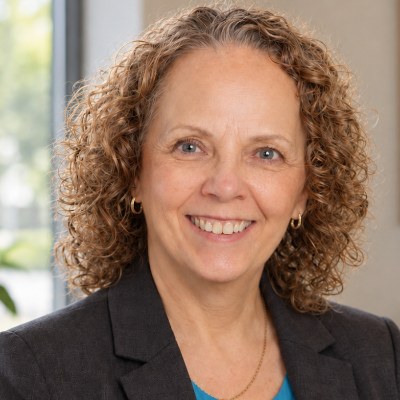
About the author
Lynn Vardy, REALTOR®
I have 19+ years in real estate, hold the Master Certified Negotiation Expert (MCNE®) designation, and work with RE/MAX Boardwalk Realty. Families in Carleton Place, Lanark County, Kanata and Stittsville come to me to buy and sell through big life changes, like downsizing, divorce and estate sales. With my own family, I have been through some of these moves, so I know it is about much more than the house.
Keep reading
- The Emotional Side of Downsizing: How to Move Without Feeling Overwhelmed
- How Much House Do You Really Need After Retirement?
- Signs It’s Time to Downsize Your Home
Thinking about downsizing? The Downsizing Road Map, my free guide, walks you through each step at your own pace.
See how I help downsizers across Lanark County, Kanata and Stittsville.