
What Happens to a Joint Mortgage After Separation?
If you are going through a divorce in Ottawa Ontario, the mortgage can quickly become one of the hardest parts to sort out. One spouse may move out. The other may stay in the home. You may agree on who should make the payments. But none of those things automatically changes the mortgage you signed with the lender.
For homeowners in Ottawa, Carleton Place, Almonte, Perth, and across Lanark County, this can create a difficult financial tie during separation. Understanding what happens to the mortgage can help you make decisions in the right order.
Divorce in Ottawa Ontario: What Happens to a Joint Mortgage After Separation?

A joint mortgage does not end when a relationship ends.
If both spouses signed the mortgage, both remain borrowers until the lender agrees to change that arrangement. The Financial Consumer Agency of Canada says joint borrowers are equally responsible for repaying the unpaid balance on a joint loan or mortgage.
This is an important point during a divorce in Ottawa Ontario. Your family situation may have changed completely, but the lender is still working from the mortgage contract.
There are really two issues happening at the same time.
One is the agreement between you and your former spouse. The other is the agreement both of you have with the lender.
They need to be dealt with separately.
Does Moving Out End Your Mortgage Responsibility?
Moving out does not remove your name from the mortgage.
If you signed the mortgage, you can remain responsible even if you no longer live in the house. The lender does not base responsibility on who is using the home each day. It looks at who borrowed the money.
This can be difficult when one spouse is paying rent somewhere else while also helping with mortgage payments on the former family home.
It can feel like you have left the house but not the financial responsibility that came with it.
That is often exactly what has happened.
I explain this situation in more detail in I Moved Out. Why Am I Still Paying the Mortgage?.
Moving out also does not automatically mean that a married spouse has given up rights related to the matrimonial home. Ontario’s Family Law Act gives both spouses an equal right to possession of a matrimonial home while they are spouses.
That is why moving out, mortgage responsibility, ownership, and rights to the home should not be treated as the same issue.
You can read more about that in What Happens to the Matrimonial Home When One Spouse Moves Out.
Does a Separation Agreement Remove Someone From the Mortgage?
No. Not by itself.
A separation agreement can say who will pay the mortgage. It can also set out plans for a buyout or sale.
But an agreement between spouses does not automatically change a mortgage contract with the lender.
This distinction is easy to miss.
For example, your separation agreement might say that your former spouse will take over the mortgage payments. That may create an obligation between the two of you.
But if your name remains on the mortgage, the lender still has you listed as a borrower.
The lender normally has to approve any change that removes one borrower from the mortgage.
This is why legal advice and mortgage advice often need to happen at the same time during separation. Your family lawyer can explain your agreement and legal rights. Your lender or mortgage professional can explain what must happen to the financing.
Can One Spouse Take Over the Mortgage?
Sometimes.
One spouse may be able to keep the home and arrange financing in their own name. This often happens as part of a buyout.
The person staying in the home may need enough financing to cover the existing mortgage and any amount required to buy out the other spouse’s interest.
That can make the new mortgage larger than the old one.
The person keeping the house also needs to show the lender that the mortgage is affordable based on their financial position.
Income matters. Existing debts matter. Credit matters. The value of the property matters.
The fact that a couple could afford the mortgage together does not mean either person will automatically qualify for it alone.
If this is the option you are considering, I go into the process in more detail in How Buyouts Work When One Spouse Wants to Keep the House.
What Is Required for Refinancing After Separation?
Refinancing usually involves a new review by the lender.
The person hoping to keep the property may need to provide proof of income, details about debts, credit information, and information about the property.
The lender will decide whether that person can manage the mortgage without the other spouse remaining responsible.
For uninsured mortgages with federally regulated lenders, OSFI currently sets the minimum qualifying rate at the greater of the mortgage contract rate plus 2 per cent or 5.25 per cent.
That qualifying test can matter during separation.
A person may be able to afford the current monthly payment but still have trouble qualifying for the amount needed to refinance the home.
This is why I often suggest getting financing information early.
It is better to know whether keeping the home is realistic before building an entire separation plan around that idea.
What Happens if Neither Person Qualifies Alone?
Sometimes neither spouse can afford or qualify to carry the home alone.
That does not mean anyone has failed.
It simply means the house may no longer fit the finances that exist after separation.
A home that worked well on two incomes may become difficult on one.
If neither spouse can qualify for the mortgage alone, selling the home may become the practical solution. The mortgage can then be paid out from the sale proceeds, subject to the mortgage terms and other amounts that must be dealt with on closing.
Some couples continue owning the home together for a period after separation.
That may work in certain situations, but it also keeps both people financially connected.
If the plan is temporary, it helps to understand what would cause the arrangement to end.
Will the home be sold in six months or will one spouse try to refinance? Will you wait for a certain family or financial event?
Clarity can reduce conflict later.
If you are wondering whether you need to wait for the legal divorce before selling, read Should You Wait Until Divorce Is Final Before Selling Your Home?.
What Happens to Your Credit if a Mortgage Payment Is Missed?
This is one area where separated homeowners need to be careful.
If both people are borrowers, a missed mortgage payment is not only a problem for the spouse who was supposed to send the money.
Both borrowers remain connected to the mortgage.
A missed payment can be reported as late or delinquent and may affect your credit history. It can also create larger problems if payments continue to be missed.
For joint borrowers dealing with federally regulated financial institutions, FCAC says each borrower has the right to receive ongoing account statements unless they have agreed to another disclosure arrangement.
That can be useful after separation.
If your former spouse is making the mortgage payment, do not assume everything is current simply because you are no longer living in the home.
Find a way to confirm that payments are being made.
If the mortgage is becoming difficult to manage, contact the lender early. Waiting until several payments have been missed usually gives everyone fewer choices.
Simple Ways to Protect Your Credit While You Are Both on the Mortgage
- Check your credit report every few months so you catch a late payment early.
- Ask your lender about email or text alerts for missed or late payments.
- Consider paying the mortgage automatically from one account you can both see.
- If one of you plans to keep the house, talk about the refinance timeline early. Some lenders have extra steps after a separation.
- Agree on a backup plan. What happens if one person loses their job or stops paying? Will the other cover it for a while, and is there a point where the home gets sold?
Your lawyer can help you put these agreements in writing.
Can the Home Be Sold While Both Names Are Still on the Mortgage?
Yes.
In many divorces, the home is listed and sold while both borrowers are still named on the mortgage.
The mortgage usually remains in place until closing. The lawyer handling the transaction then deals with paying out the mortgage so the property can be transferred to the buyer.
Selling before the mortgage term ends can also create a prepayment penalty.
The Financial Consumer Agency of Canada says a lender may charge a prepayment penalty when you pay off the full mortgage before the term ends, including when the home is sold.
Before listing, it is worth asking your lender for an estimate of the mortgage payout and any penalty.
That gives you a clearer picture of what may remain from the sale.
Do Both Spouses Have to Agree to Sell the Matrimonial Home?

For married spouses in Ontario, the matrimonial home has special legal protection.
Section 21 of Ontario’s Family Law Act says a spouse cannot dispose of or encumber an interest in a matrimonial home unless certain conditions are met. These can include the other spouse joining in or consenting to the transaction, a separation agreement releasing rights, or a court order.
So even if only one spouse is on title, selling a matrimonial home during separation can involve rights held by the other married spouse.
This is one reason legal advice matters before a listing is signed.
If both spouses agree that the house should be sold, the real estate side is usually easier to plan.
If one person refuses, the situation becomes more complicated.
I cover that issue in My Ex Won’t Agree to Sell the House. Now What?.
You can also read Can One Spouse Force the Sale of the Matrimonial Home in Ontario? for a closer look at what can happen when spouses cannot agree.
The Mortgage and the Matrimonial Home Are Not the Same Thing
This is one of the most useful things to understand during a divorce in Ottawa Ontario.
The mortgage is the debt.
Title deals with ownership.
Ontario family law deals with rights and obligations between spouses.
Your separation agreement records what you and your former spouse have agreed to do.
These things are connected, but they are not interchangeable.
A person can move out and remain on the mortgage.
A separation agreement can say one person will pay the mortgage while both names are still attached to the loan.
One spouse can want to keep the house but still be unable to qualify for refinancing.
A couple can also agree to sell before their divorce is final.
Understanding these differences can make the next decision much easier.
Before You Decide Whether to Keep or Sell the House
It can help to gather a few facts before making a final decision.
Start with the current mortgage balance and ask the lender about any possible payout penalty.
Find out what the home may realistically sell for in today’s market.
If one spouse wants to stay, find out whether that person can qualify for the mortgage and any buyout amount.
Speak with your family lawyer about the legal side before signing documents or making assumptions about ownership and sale proceeds.
Ontario’s current guidance on dividing property also notes that the mortgage on a home is a debt considered as part of the property division process for married spouses. The province recommends getting legal advice because separation and property division can be complicated.
The goal is not to make the fastest decision.
It is to make a decision you understand.
A Clearer Way Forward During Divorce in Ottawa Ontario
The family home often carries more than financial value.
It can hold years of memories. Children may be settled there. One spouse may feel strongly about staying. The other may need the equity to move forward.
Those feelings are real.
But the numbers still need to work.
My role is not to tell you whether you should keep or sell the home. I can help you understand the real estate side, including current market value, likely selling costs, timing, and what selling may look like in Ottawa West, Carleton Place, Almonte, Perth, or elsewhere in Lanark County.
Your lawyer can guide the family law decisions. Your lender or mortgage professional can explain the financing.
Once you have those pieces, the path forward is usually easier to see.
If You Need to Talk Through the House
If you are dealing with separation or divorce and are unsure what to do with the house, we can start with a simple conversation.
There is no need to decide everything at once.
I can help you understand the property’s current market position and what a possible sale could look like. You can then take that information back to your lawyer, lender, or mortgage professional before making a final decision.
If you’re thinking about this and want to talk it through, I’m here.
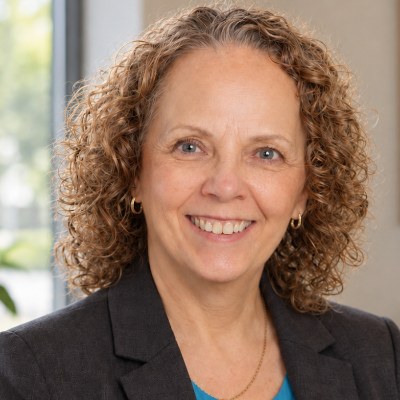
About the author
Lynn Vardy, REALTOR®
I have 19+ years in real estate and work with RE/MAX Boardwalk Realty. I help families in Carleton Place, Lanark County, Kanata and Stittsville buy and sell through big life changes, like downsizing, divorce and estate sales. I have been through some of these moves with my own family, so I know it is about much more than the house.
Keep reading
Going through a separation? My free Divorce Road Map explains your options for the home in plain language.
See how I help you sell or keep the home, across Lanark County, Kanata and Stittsville.