

What Happens to the House If Only One Spouse Is on Title in Ontario?
When only one spouse is on title in Ontario, separation brings up some hard questions. Who gets to stay in the house? Can the owner sell it? Do you have any rights if your name isn’t on the deed?
For married couples, the answer isn’t as simple as whose name is on the property. Ontario has special rules for the matrimonial home, and those rules can change what happens when you separate.
If you’re facing this in Carleton Place, Almonte, Perth or anywhere in Lanark County, it helps to know the difference between owning the home and having the right to live in it.

Quick answers
- If you’re married, you both have an equal right to live in the matrimonial home, no matter whose name is on title.
- The spouse on title usually can’t sell or mortgage the home without the other spouse’s consent.
- Not being on title doesn’t mean you get half the house. But you may be owed part of its value through equalization.
- These rules are for married spouses. Common-law partners don’t have the same rights.
Being on Title vs. Having a Right to the Home
Being on title means your name is registered as a legal owner of the property. It’s common for only one spouse to be on title. One of you may have bought the home before you married, or you may have chosen to put it in one name.
But owning the home and having the right to live in it are two different things. Under Ontario’s Family Law Act, married spouses have an equal right to live in the matrimonial home. That’s true even if only one of you is on title.
This doesn’t make you both owners. It means the spouse who isn’t on title still has real rights while you’re separated.
These rules are for married couples only
The matrimonial home rules apply to married spouses. If you lived together common-law, the rules are very different. A common-law partner who isn’t on title doesn’t have the same right to stay in the home or to share in its value. If that’s your situation, talk to a family lawyer early.
What counts as a matrimonial home?
A matrimonial home is a property you and your spouse normally lived in together as your family home. If you’ve separated, the law looks at how the property was used on the day you separated.
The home doesn’t need to be in both names. You can also have more than one matrimonial home, like a house and a cottage the family used regularly.
It gets more complex when a home sits on a farm or on land used for business. In that case, only the house and the land needed to enjoy it may count as the matrimonial home. This comes up often with rural properties around Lanark County.
Can the Spouse Who Owns the House Make the Other Leave?
If you’re not on title, you may worry your spouse can ask you to leave at any time. If you are on title, you may think you get the final say.
Neither is usually true. While you’re still married, you both have an equal right to live in the matrimonial home. Being the owner doesn’t, on its own, give you the right to make the other spouse leave.
Keep in mind that this right to live in the home ends once the divorce is final, unless a separation agreement or court order says otherwise. That’s one reason to sort out the house before the divorce is done.
What if one spouse has already moved out?
Moving out doesn’t mean you give up your rights to the matrimonial home. You may still have a right to return, depending on any agreement or court order in place.
There are practical questions too. Who pays the mortgage? Who looks after the house? Who covers the bills while you live apart?
For more on this, read What Happens to the Matrimonial Home When One Spouse Moves Out in Ontario?
Can a court decide who stays?
Yes. Under section 24 of the Family Law Act, a court can give one spouse exclusive possession of the matrimonial home, no matter whose name is on title.
This lets one spouse live in the home and keeps the other out. The court looks at things like the children’s best interests, each spouse’s finances, other places to live, and any violence by one spouse against the other or the children.
Exclusive possession doesn’t change who owns the home. It only decides who lives there.
Can One Spouse Sell the House Without the Other’s Consent?
In most cases, no. A married spouse can’t sell or mortgage a matrimonial home without the other spouse’s consent, even if only one name is on title. This is set out in section 21 of Ontario’s Family Law Act.
There are exceptions. For example, the other spouse may have given up their rights in a separation agreement, or a court may have approved the sale.
Protecting yourself if you’re not on title
If you’re worried your spouse might try to sell or borrow against the home, ask your lawyer about registering a designation of matrimonial home on title. This puts a notice on the property records that tells buyers and lenders your consent is needed.
It’s a small step, but it can give you peace of mind while you work things out.
If you both agree to sell
If you both agree selling makes sense, the next step is planning how the sale will work.
You’ll need to talk about the asking price, any work to get the home ready, the mortgage balance, the closing date and what happens to the money. Your lawyers can help you decide how the proceeds are split under your separation agreement.
Selling can give you both a clean break. It also means planning for two homes instead of one.
For a step-by-step look, read How to Sell the Family Home After Divorce: A Step-by-Step Roadmap. If one of you wants to sell and the other doesn’t, see Can One Spouse Force the Sale of the Matrimonial Home in Ontario?
Does the Spouse Who Isn’t on Title Get Half the House?
This is one of the most common questions I hear. The short answer is that the spouse who isn’t on title may be owed part of the home’s value. But that doesn’t mean they get half the house itself.
Ontario uses a process called equalization of net family property. Each spouse adds up what they own and subtracts what they owe. Then they subtract what they had on the day they married. The spouse with the higher total usually pays the other half the difference. This is called an equalization payment.
What if one spouse owned the home before the marriage?
The matrimonial home gets special treatment. Normally, if you owned something before you married, you can subtract what it was worth on your wedding day.
But if that property is still your matrimonial home when you separate, you don’t get that deduction. The full value of the home at separation may count, even if you bought it years before the wedding.
Every situation is different, and the final payment depends on both spouses’ full finances. That’s why it’s so important to talk to a family lawyer before you sell, refinance or transfer the home.
There are deadlines
An equalization claim has time limits. In general, it must be started within two years of the divorce or six years after you separate, whichever comes first. Your lawyer can confirm what applies to you.
What If the Spouse on Title Wants to Keep the House?
Keeping the family home can matter a lot, especially when there are kids. It can mean staying close to school, family and familiar routines.
If you both agree, the spouse who owns the home may keep it as part of the overall settlement. This usually means paying the other spouse an agreed amount, often called a buyout.

How does a buyout work if only one spouse is on title?
Even if the spouse keeping the house is already the owner, they may still owe the other spouse money through equalization.
You’ll usually need to know the home’s market value and the mortgage balance. Then your lawyers can work out how the home fits into the full settlement.
Money is a big part of this decision. The spouse keeping the house needs to know if they can pay the mortgage, property taxes, insurance, upkeep and any settlement payment on one income. A mortgage professional can help with that.
For more detail, read How Buyouts Work When One Spouse Wants to Keep the House. If you’re both on the mortgage even though only one of you is on title, see What Happens to a Joint Mortgage After Separation?
What to Do Before You Decide About the House
You don’t have to decide right away whether to sell or keep the home. It helps to gather some facts first, especially early in a separation.
- Find out what the home is likely worth today.
- Confirm how much is owing on the mortgage and any line of credit secured on the home.
- Think about what it would cost to get the home ready to sell, or to keep it up.
- Look at what housing each of you could afford on your own.
- Talk to a family lawyer before you sign anything.
Trying to decide between selling, a buyout or waiting? My free Divorce Road Map compares your three main options for the home, with what to watch for in our area.
Why an accurate home value matters
A realistic value gives you both a clear starting point. A price that’s too high can create false hopes about how much money there will be after a sale.
Around Carleton Place, Almonte and Perth, homes can vary a lot. Lot size, location, condition, wells, septic systems and outbuildings all affect value. Two homes on the same road can sell for very different prices.
A local market assessment can help you see where your home stands today. If your legal settlement needs a formal appraisal, your lawyer can tell you what kind you need.
What This Means for You if You’re Separating
Separation is about more than a house. It touches your money, your routine and your sense of being settled. When only one of you is on title, knowing your rights is a good first step.
A family lawyer can explain how Ontario’s rules apply to you. A mortgage professional can walk you through your options. And I can help you understand your home’s value and what selling or keeping it might look like.
You don’t need every answer before you start these conversations. Take it one step at a time.
If you’re starting to think about what happens to your home, my free Divorce Road Map walks you through your options in plain language.
If you’d rather talk about your own situation, you can book a confidential conversation with me. There’s no pressure to decide anything.
This article is general information, not legal advice. Every separation is different, so please speak with a family lawyer about your own situation.
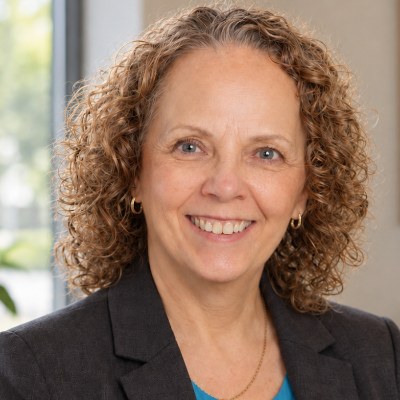
About the author
Lynn Vardy, REALTOR®
I have 19+ years in real estate and work with RE/MAX Boardwalk Realty. I help families in Carleton Place, Lanark County, Kanata and Stittsville buy and sell through big life changes, like downsizing, divorce and estate sales. I have been through some of these moves with my own family, so I know it is about much more than the house.
Keep reading
- Can You Sell a House Before Divorce Is Final in Ontario?
- I Moved Out. Why Am I Still Paying the Mortgage?
- Divorce and Property Division: What Happens to the Family Home?
See how I help you sell or keep the home, across Lanark County, Kanata and Stittsville.